
Slopers have a way of exposing every weakness in your climbing. They don’t give you edges to rely on or deep pockets to pull from—just friction, body tension, and precision. When you start focusing on advanced techniques for sloper training at home, your sessions start to shift from brute strength to full-body control and movement awareness. If you’re ready to level up your home wall, it’s time to lean into the subtle, powerful challenge that slopers bring.
Why Do Slopers Require a Different Training Approach?
Slopers change how you interact with the wall. Instead of pulling down on a positive edge, you’re pressing into the hold and relying on surface contact. That shift puts the focus on positioning instead of raw grip strength.
Small adjustments suddenly carry more weight. A slight hip shift or tighter core engagement can turn a slipping hand into something usable. Slopers teach you to move with intention instead of just pulling harder.
They also expose weaknesses quickly. If your feet aren’t precise or your core drops out, you’ll feel it right away. That immediate feedback is what makes slopers such an effective tool for improving technique.
How Can You Build Sloper Strength Safely at Home?
Progress on slopers comes from consistency, not max effort. Jumping straight into hard sessions can lead to overuse or frustration, especially if your body isn’t used to open-hand gripping. Building strength gradually keeps you climbing longer and better.
Start by working slopers into your warm-ups and controlled movement drills. Focus on time under tension instead of trying to muscle through each move. Even easier holds become challenging when you slow things down.
To structure your sessions, aim for:
- Short, controlled hangs with your shoulders engaged and core active
- Slow transitions between holds to emphasize positioning
- Repeated attempts on the same sequence to refine movement
- Full rests between efforts to maintain quality
This keeps your sessions productive while protecting your fingers and shoulders from unnecessary strain.
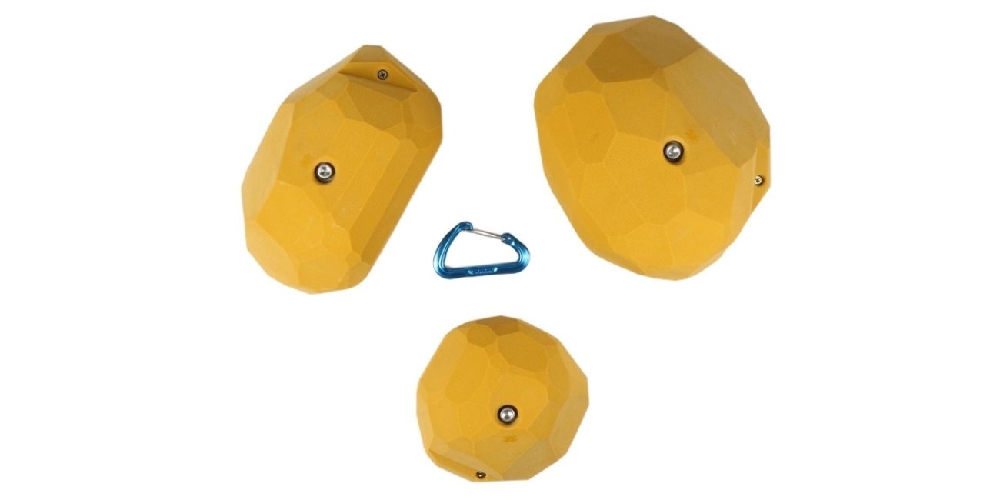
What Body Positioning Techniques Improve Sloper Performance?
Once you move past the basics, positioning becomes everything. Slopers reward climbers who stay tight, balanced, and aware of how their weight moves across the wall.
Keeping your hips close to the wall is one of the biggest upgrades you can make. The farther your hips drift out, the more force pulls you off the hold. Staying close increases friction and gives you more control.
Dial in these habits to improve consistency:
- Maintain an open-hand grip instead of forcing a crimp.
- Place feet high to reduce the load on your hands.
- Shift hips subtly to find the best angle of contact.
- Keep tension from your core through your feet.
These changes are small, but they add up fast and make slopers feel more predictable.
How Do You Train Body Tension?
Body tension ties everything together on slopers. Without it, even strong climbers struggle to stay connected. Training that tension at home builds a foundation you’ll use on every wall.
Think of your body as one system. Your hands, core, and feet all need to stay engaged at the same time. When one part drops, everything else follows.
Add these drills to your sessions:
- Slow traverses using mostly or entirely slopers
- Pauses mid-move to hold positions under control
- Silent feet drills to improve placement accuracy
- Lock-off holds before committing to the next move
Over time, these drills lead to smoother movement and more reliable positions.
How Should You Set Routes for Slopers?
Intentional route setting makes a noticeable difference. Randomly placing slopers on your wall might give you a workout, but it won’t build the same level of skill as a well-thought-out sequence.
Start by thinking about flow. Each hold should guide you into the next position, encouraging controlled movement instead of rushed decisions. Spacing plays a major role in how a route feels.
When setting sloper-focused routes, consider:
- Mixing slopers with footholds that demand precision
- Spacing holds to encourage controlled movement
- Building sequences that require hip movement and balance
- Adjusting angles to change difficulty and engagement
With a bit of planning, your wall becomes a tool for progression instead of just a place to climb.
How Does Wall Angle Influence Sloper Training?
Wall angle changes everything. A sloper that feels solid on a vertical wall can become extremely challenging on an overhang.
On vertical or slightly slabby walls, slopers emphasize balance and footwork. You rely more on precision and less on strength, which makes these angles ideal for refining technique.
As the wall gets steeper, the demands shift. Overhangs require more core tension, stronger engagement, and better control. Mixing angles into your wall setup prepares you for a wider range of movement.
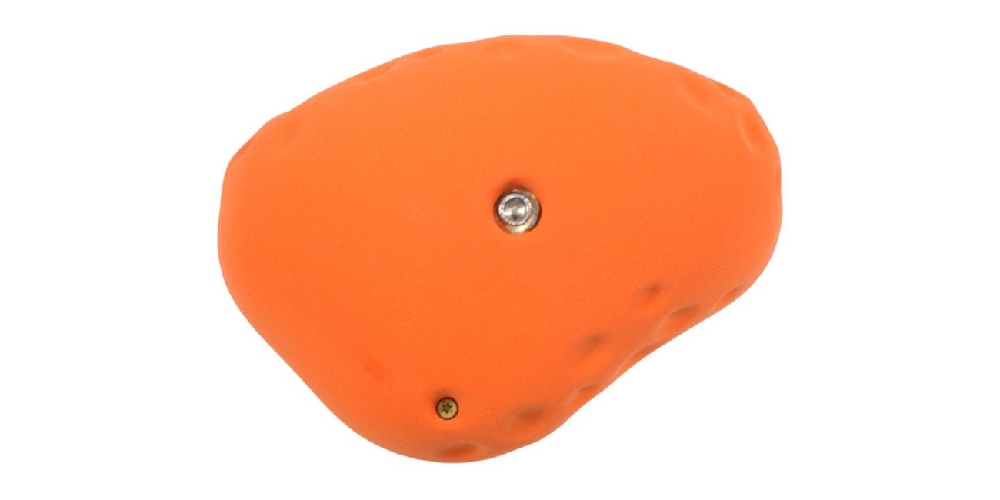
How Can You Continue Progressing Without Plateauing?
Sloper training rewards variety. Repeating the same movements over and over will only take you so far. To keep improving, you need to introduce new challenges that force adaptation.
Start by adjusting one variable at a time. Small changes can create completely new problems and keep your sessions engaging. This keeps your focus sharp while building new skills.
You can progress your training by:
- Reducing foothold options to force better balance
- Increasing spacing between holds for longer reaches
- Adding controlled dynamic movement to sequences
- Limiting attempts to encourage focus and effort
These tweaks keep your training fresh and help prevent stagnation.
Keep Your Training Challenging and Engaging
See actual results from implementing these advanced techniques for sloper training comes down to consistency and attention to detail. When you focus on movement quality, body tension, and thoughtful route setting, progress shows up session after session.
Slopers keep you honest. They demand precision, reward control, require consistency, and push you to refine how you move. Stick with them, and you’ll build strength and technique that carry into every climb.
Build a Wall That Pushes Your Sloper Training Further
If you want to improve on slopers, your wall setup needs to match your goals. Adding a range of shapes, sizes, and textures gives you the variety needed to keep progressing.
Atomik Climbing Holds offers durable polyurethane holds built for real training, with custom color options and a clean sandstone feel that helps you dial in friction. With fast shipping in 1–5 business days and a lifetime warranty, you can keep your wall evolving as your skills grow.
Explore our full lineup of sloper climbing holds and build your perfect wall with holds that sharpen your technique and keep every session engaging.


Leave your comment