
Climbing holds can look like one giant pile of colorful shapes when they’re spread across a wall, but your hands and feet rely on them in completely different ways. Understanding the key differences between foot and hand holds helps you train with more purpose and create movement that feels natural instead of awkward.
Hand holds usually grab your attention first. They shape the obvious challenge of a climb and influence how powerful or technical a route feels. Foot holds work more quietly in the background, but they often decide whether movement feels smooth, balanced, and controlled.
.jpg)
What Defines Hand Holds?
Hand holds are the shapes climbers grab and pull on throughout a route. They create the most noticeable part of the climbing experience because they influence grip style, movement direction, and difficulty. A comfortable jug feels secure right away, while a small crimp demands accuracy and finger strength.
Different hand holds create completely different climbing styles. Slopers reward body tension and careful positioning. Pinches force climbers to engage the thumb, which changes how the entire upper body works through a move.
Hand holds also shape the personality of a wall. Large positive holds encourage dynamic movement and confidence. Smaller or more technical shapes slow climbers down and make every sequence feel more thoughtful.
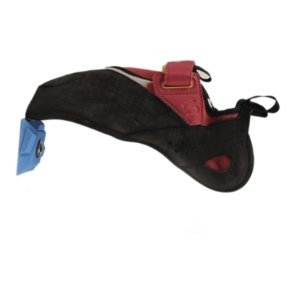
What Defines Foot Holds?
Foot holds support balance, body positioning, and efficient movement. They’re usually smaller and less flashy than hand holds, but they often control how difficult a route actually feels. A tiny foothold in the right spot can completely change a sequence.
Foot holds for climbing commonly include chips, edges, screw-on footholds, and textured shapes that demand precise placement. Instead of helping climbers pull upward, they help transfer weight and create stability through the legs and hips.
Strong footwork changes everything on the wall. Climbers who trust their feet move more smoothly and waste less energy gripping too hard with their hands. That’s why experienced route setters spend so much time adjusting footholds during forerunning and route tweaks.
What Changes the Way Climbers Move?
Hand holds and foot holds influence movement in very different ways. Hand holds usually guide the direction of a climb by controlling pulls, reaches, and body positioning. They tend to define the main challenge of the route.
Foot holds refine that movement and shape how efficiently climbers move through each sequence. Raising or lowering a foothold by just a few inches can completely change the feel of a move. Sometimes a route goes from smooth to awkward because of one poorly placed foot chip.
Hold angle matters just as much as hold shape. A positive hand hold can suddenly feel difficult when rotated sideways. A tiny foothold can feel surprisingly secure when it lines up perfectly with hip movement and body tension.
That’s part of what makes setting routes so satisfying. Small adjustments can completely reshape how a climb feels without changing the entire hold layout.
What Improves Beginner-Friendly Walls?
Beginner walls work best when they create confidence while still encouraging progression. Large hand holds help new climbers focus on movement and body positioning instead of struggling to stay on the wall. Positive grips also make climbing feel more approachable for kids and first-time climbers.
Foot holds matter just as much for beginners. Larger footholds encourage climbers to trust their feet and use their legs instead of relying entirely on upper-body strength. Building that habit early helps climbers move more efficiently later on.
As skills improve, smaller footholds and more technical hand holds can gradually raise the difficulty. The goal is to keep the wall challenging without making it frustrating.
A strong beginner setup often includes:
- Large jugs for warmups and approachable climbing
- Mini-jugs that encourage more precise movement
- Positive footholds that build confidence
- Small chips that introduce careful foot placement
- Bright custom colors that make routes easier to follow
What Improves Advanced Training Walls?
Advanced climbers usually want more grip variety and more technical movement. Smaller hand holds force better finger strength and more controlled positioning. Slopers, pockets, crimps, and pinches each create a different physical challenge and movement style.
Technical footholds increase difficulty in a completely different way. Small screw-on feet demand accurate placement and strong body tension, especially on steeper terrain. Weak footwork becomes obvious fast when footholds get smaller.
The best training walls balance power with precision. If every foothold feels too comfortable, climbers can rely too much on pulling strength. If every foothold feels tiny and aggressive, sessions can turn frustrating instead of productive.
A varied wall setup keeps training interesting while exposing weaknesses that need attention. Different textures, shapes, and foothold styles help climbers build more complete movement skills over time.
What Supports Better Route Setting?
Good route setting depends on how well hand holds and foot holds work together. Hand holds usually establish the overall movement path and climbing style. Foot holds fine-tune balance, pacing, and body positioning.
That balance becomes especially important on home walls. A dense T-nut grid gives setters more flexibility to experiment with bolt-on holds and route spacing. Screw-on footholds create even more control because they can adjust movement exactly where it’s needed.
Hold density also affects how creative a wall can become. A starting range of 15 to 25 holds per 4x8-foot panel gives most home wall builders enough flexibility without overcrowding the wall. Adding more footholds and specialty shapes later helps keep routes fresh as climbing skills improve.
Texture matters too. Holds with a clean sandstone feel provide reliable friction without feeling overly rough on the skin. Mixing textures and hold styles helps every session feel a little different.
What Builds a More Versatile Wall?
The most enjoyable climbing walls combine thoughtful movement with hold variety. A strong mix of hand holds creates room for warmups, technical sequences, and power-focused climbing. Good footholds help those routes feel smooth instead of random.
Kids’ walls usually benefit from larger holds and comfortable footholds that build confidence. Training walls often need more technical feet and more grip diversity. Commercial gyms benefit from a wide mix of shapes and textures that support climbers across multiple skill levels.
Customization also plays a big role in how a wall feels. Custom color options make routes easier to read while helping walls match a room’s design style. Different texture options create more movement variety and help climbers tailor the wall to their goals.
Build your perfect wall by focusing on movement first. When footholds, hand holds, spacing, and wall angles all work together, the climbing experience feels smoother and far more rewarding.
Keep Your Movement Balanced
Understanding the difference between hand holds and foot holds changes the way you build and set climbing walls. Hand holds create the obvious challenge, while footholds shape balance and precision. When both work together, routes feel more natural and much more fun to climb.
Ready to upgrade your wall with better movement and more variety? Atomik Climbing Holds offers durable polyurethane holds with custom color options and fast shipping in 1–5 business days. Explore bolt-on holds and screw-on footholds that help you set smoother routes and build progression that lasts.



Leave your comment