Types of Climbing Handholds
Basic Types of Climbing Handholds
Written by Stewart Green
Check out our easy-to-identify Educational Hold Line seen below!
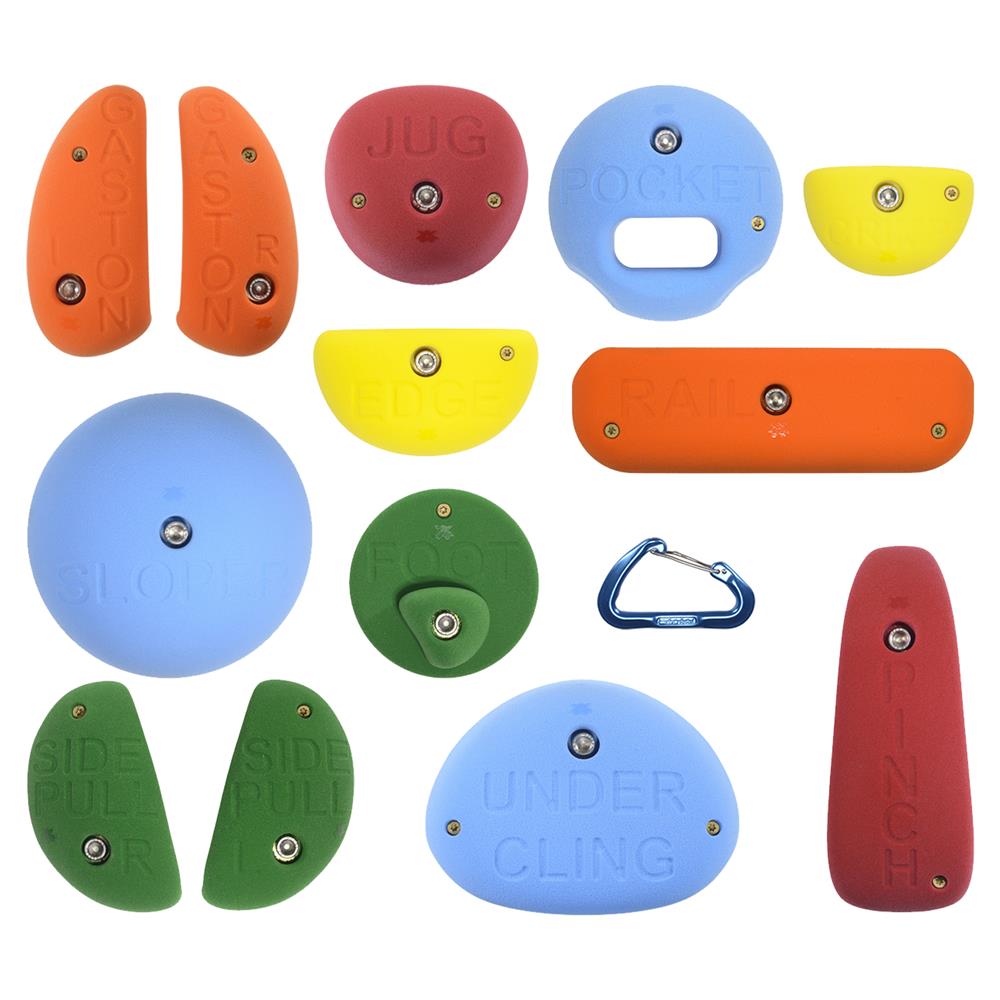
1. Rings
Are by far the easiest to grip out of all! Rings are most often used as finish holds to finish off a route at the top of the wall, or as down-climb holds to help climbers safely off the wall. But they can also be used to set the easiest routes possible.
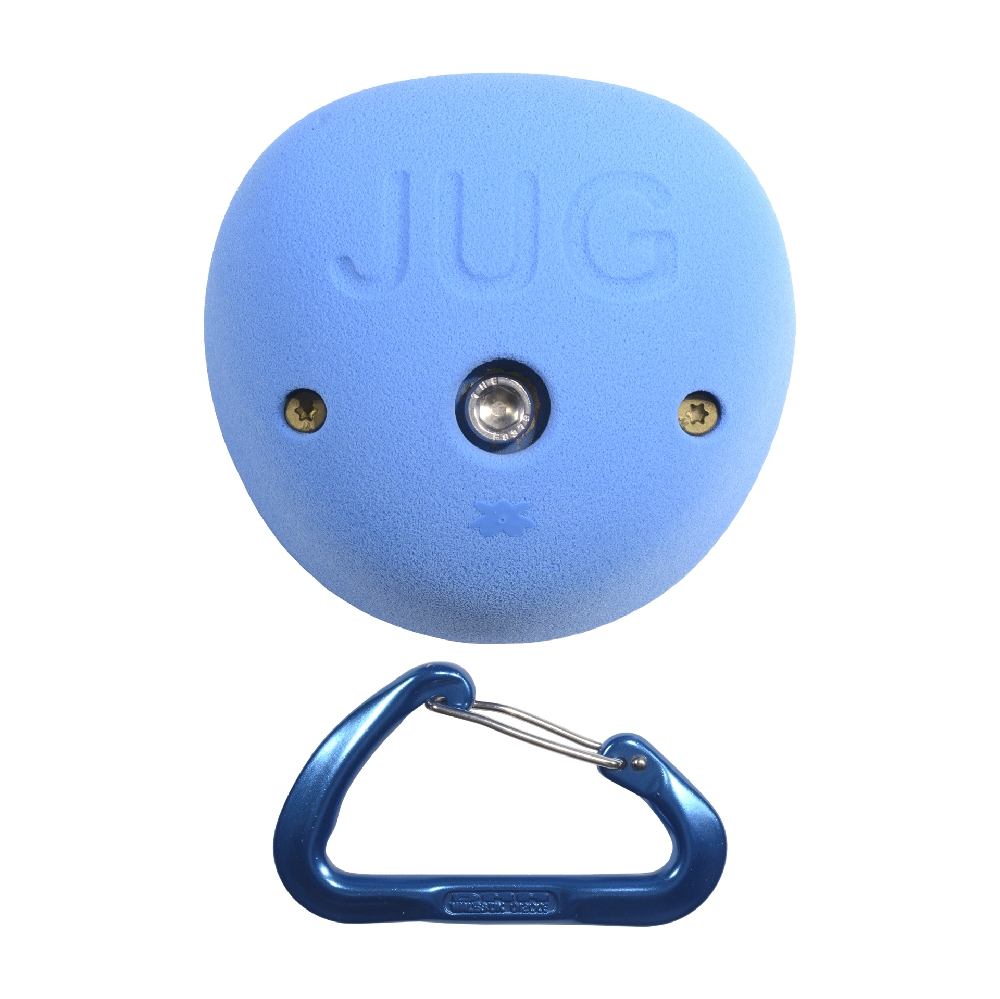
2. Jugs
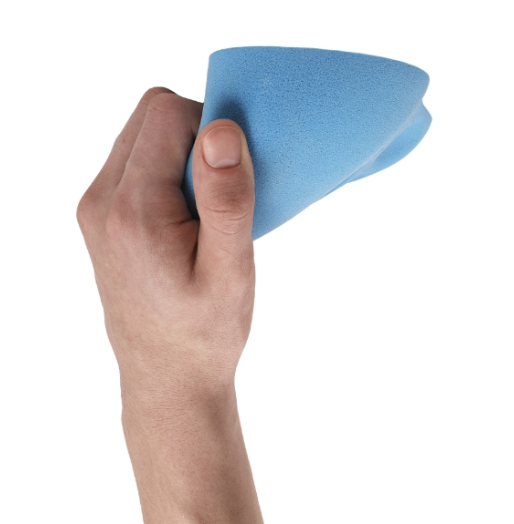
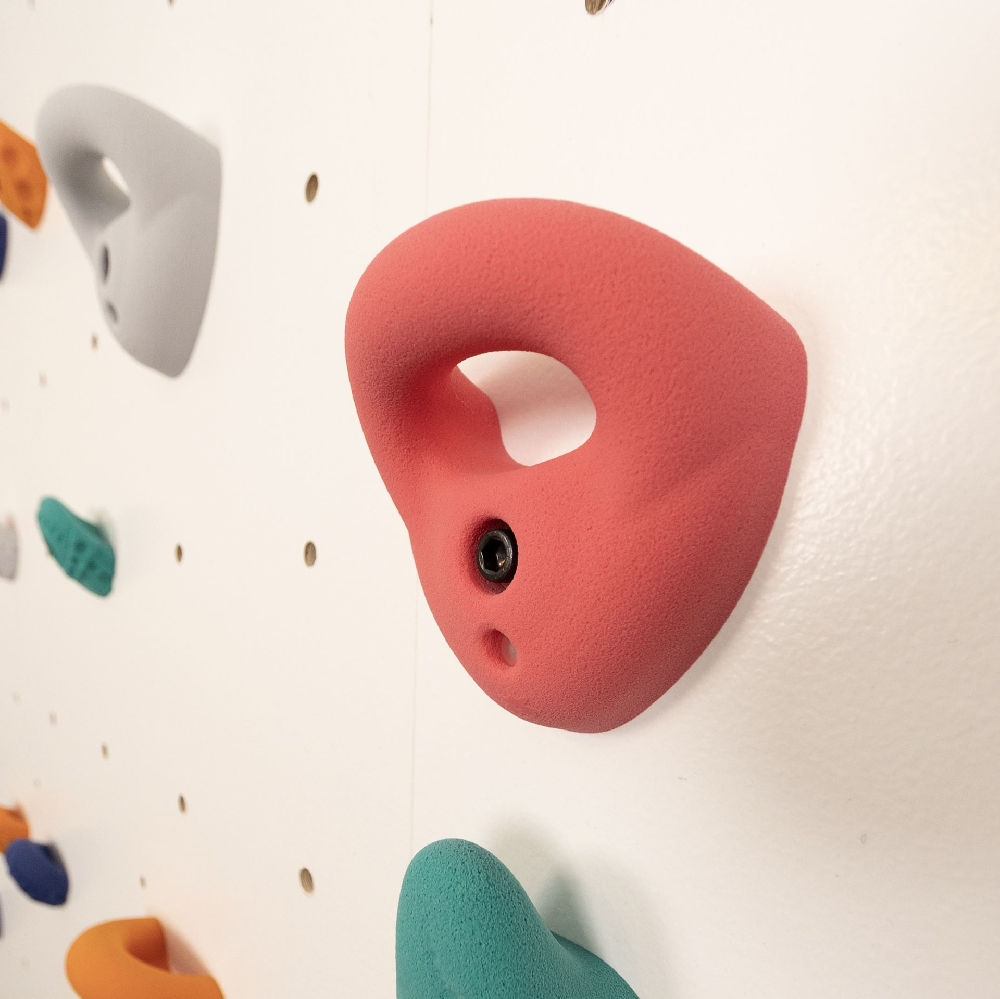
Are large, positive climbing holds that are very easy to grip, making them ideal for beginner walls, warm-ups, and downclimbing. On beginner routes, they allow new climbers to focus on movement and body positioning without getting exhausted by grip strength. Experienced climbers also use jug routes for warm-ups to get blood flowing and prepare their muscles while reducing the risk of finger injuries. In addition, jugs are commonly used for downclimbing, where gyms create an easy “ladder” back down from the top of a bouldering wall instead of requiring climbers to jump to the mats.
3. Edges and Crimps
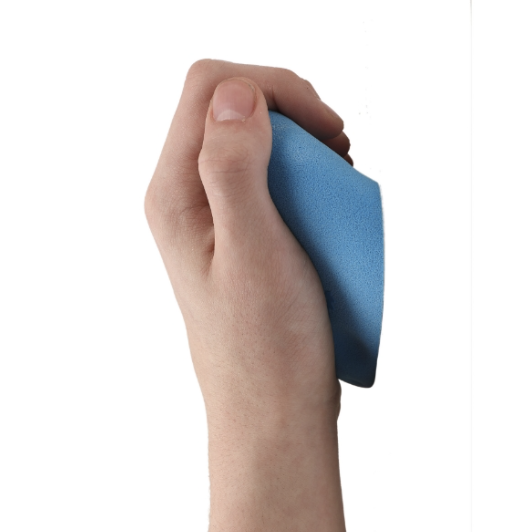
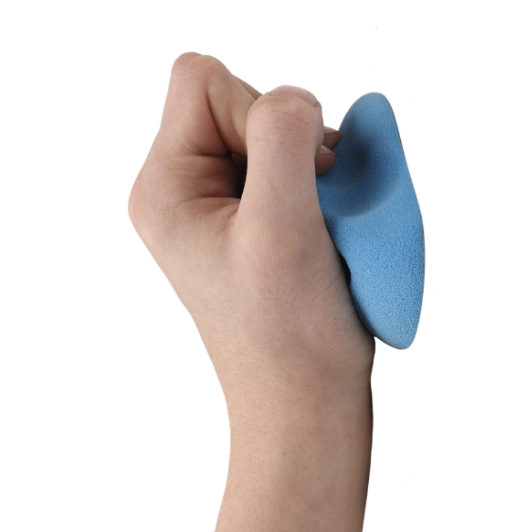
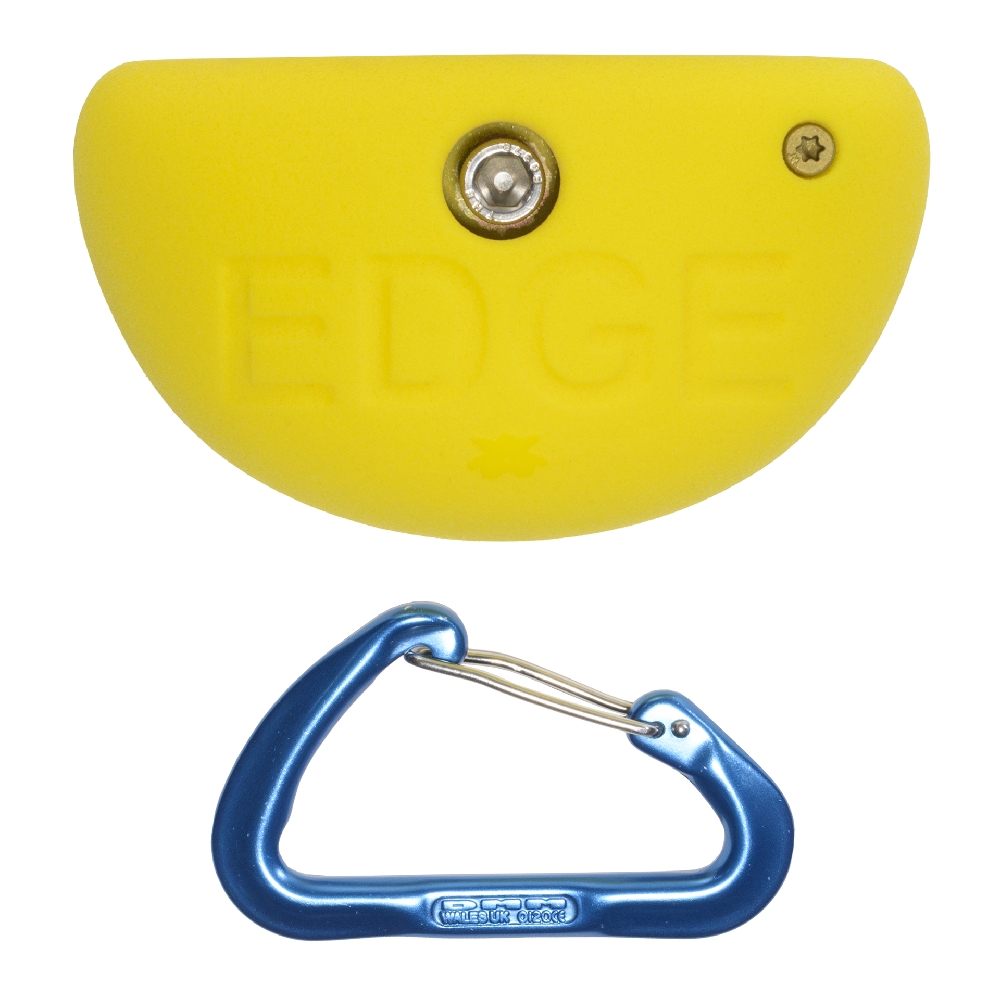
Edges are the most common type of handhold you’ll encounter in climbing. They are often flat, but sometimes have a small lip that allows you to also pull outward on them. Edges can range in size from very thin about the size of a quarter to wide enough to fit your whole hand. Most edges are between 1/4 inch and 1½ inches deep. When edges become small enough to require fingertip strength, they are called crimps. Because of their size, they demand precision, control, and strong finger engagement, using either an open-hand grip or a crimp grip depending on the situation.
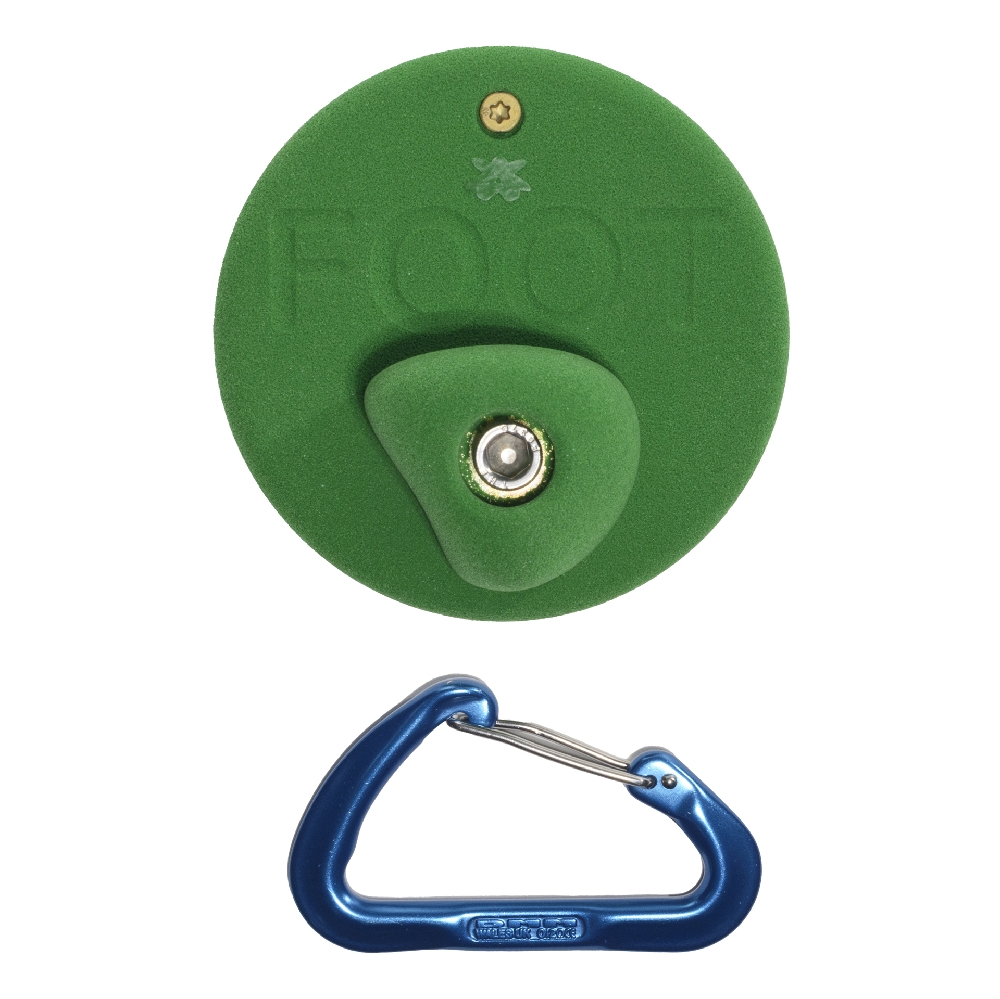
4. Footholds
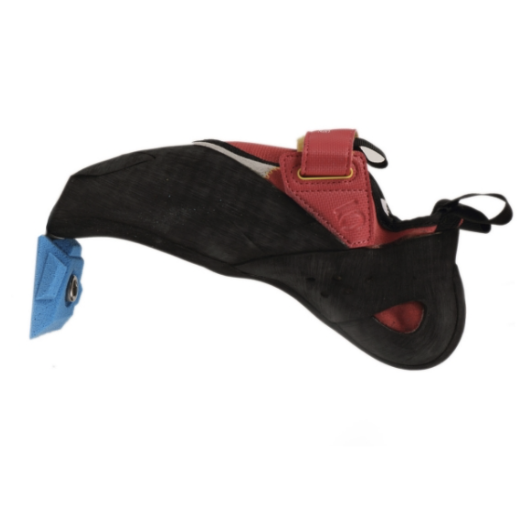
Footholds are small, precise holds designed for the feet. Good climbing depends heavily on accurate foot placement, balance, and using footholds to take weight off the hands.
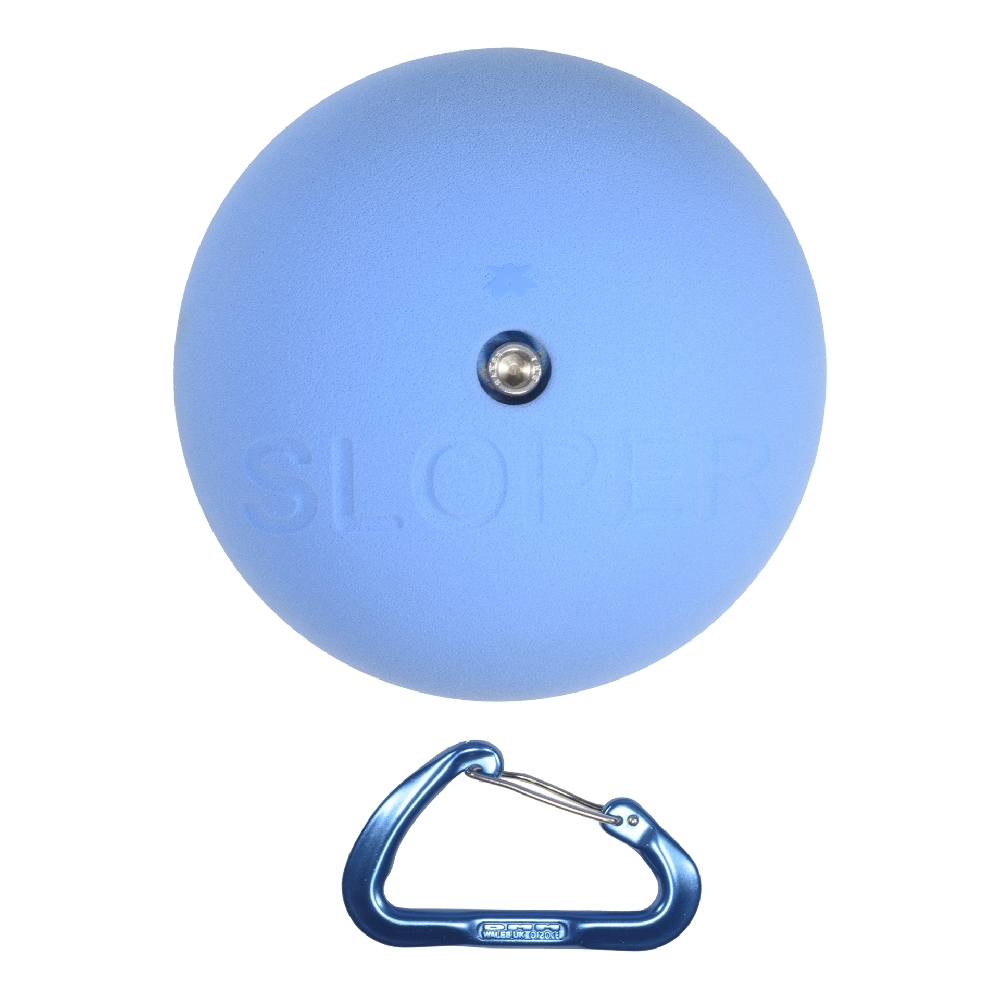
5. Slopers
Are considered one of the most challenging types of climbing holds to pull on because of its shape. Think of the outside of a basketball or an upside-down bowl. Since you can’t wrap your fingers around an edge, you rely on open-hand pressure and skin contact. Climbers stay on slopers by pressing their hand flat against the surface and using friction often helped by chalk to prevent slipping.
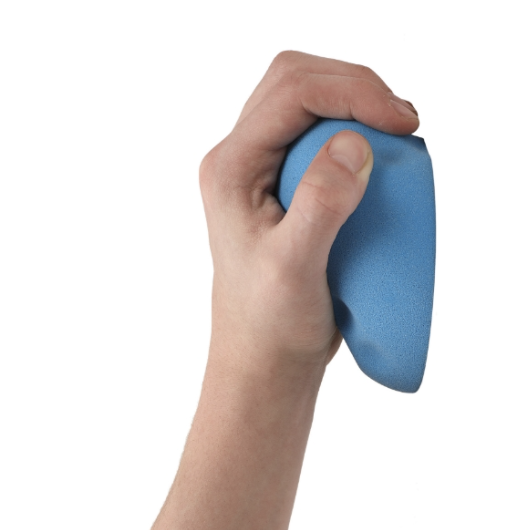
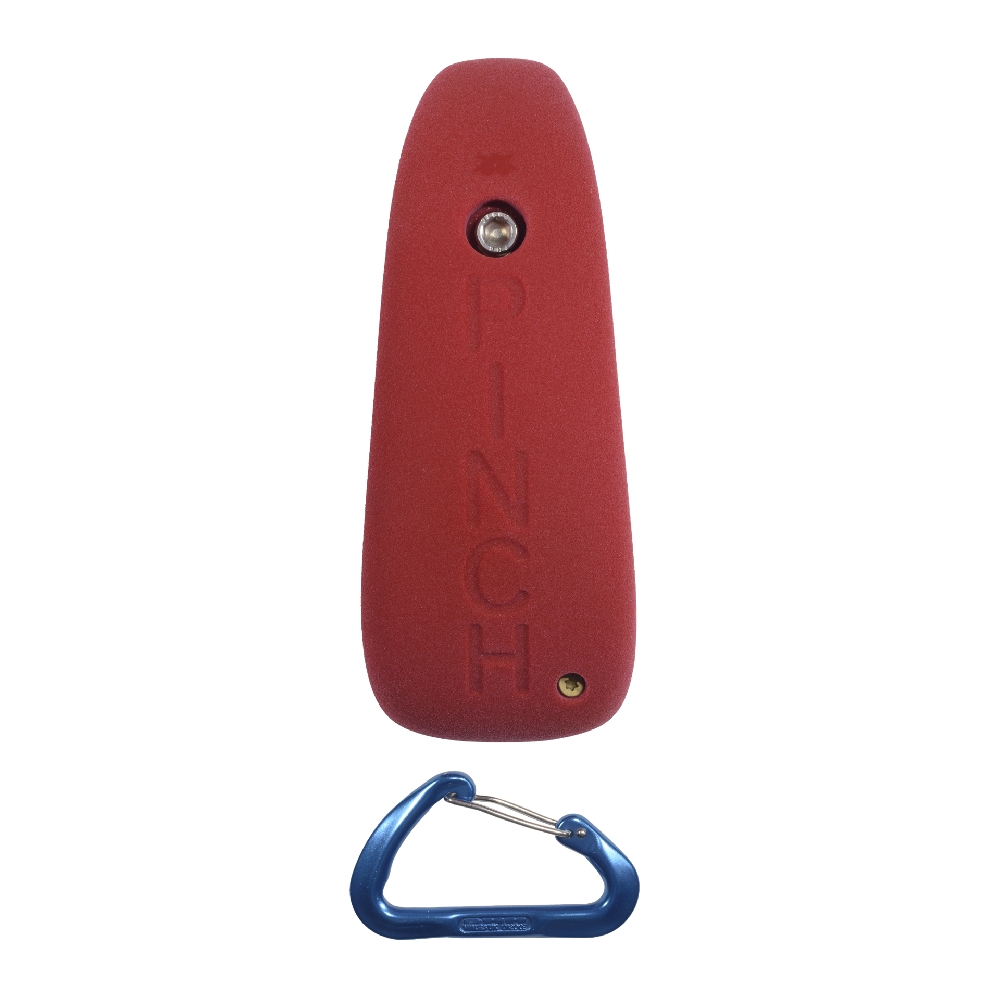
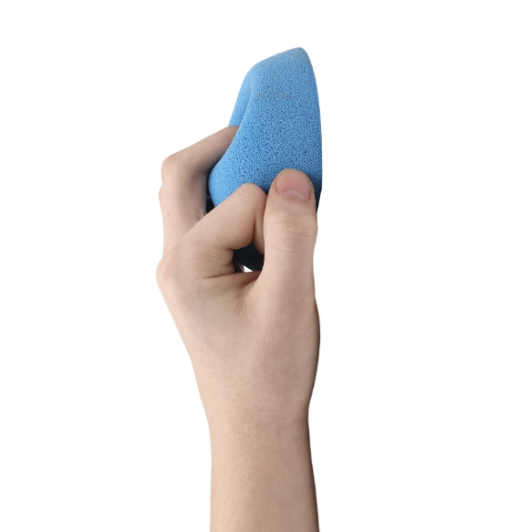
6. Pinches
Are gripped by squeezing the hold between the fingers and thumb. Success on pinches depends on hand strength, thumb engagement, and full-body tension to keep control on the wall.
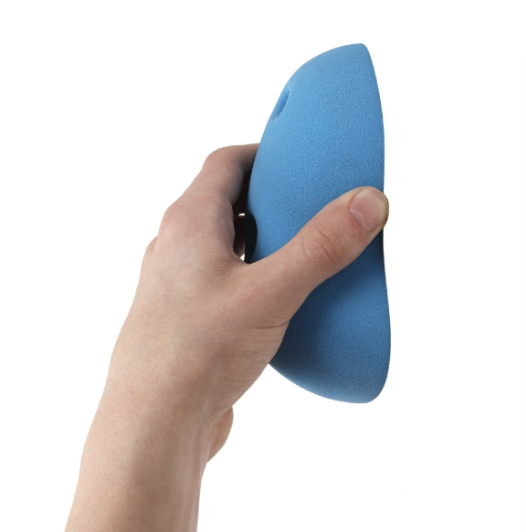
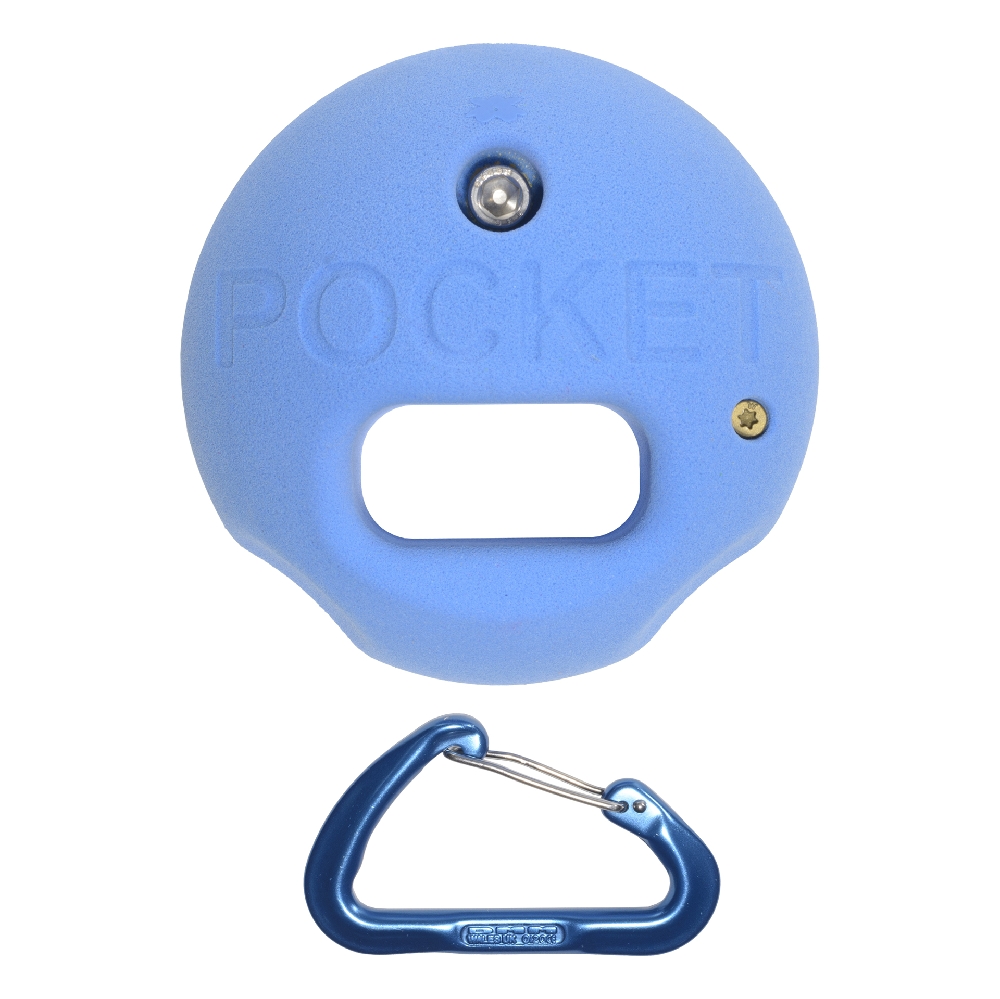
7. Pockets
Are holes in a climbing hold that fits one, two, or sometimes three fingers. Pocket sizes range from mono pockets, which fit a single finger, to two-finger and three-finger pockets. Climbers must carefully choose finger placement because pockets put a lot of load on individual tendons, making control and precision very important.
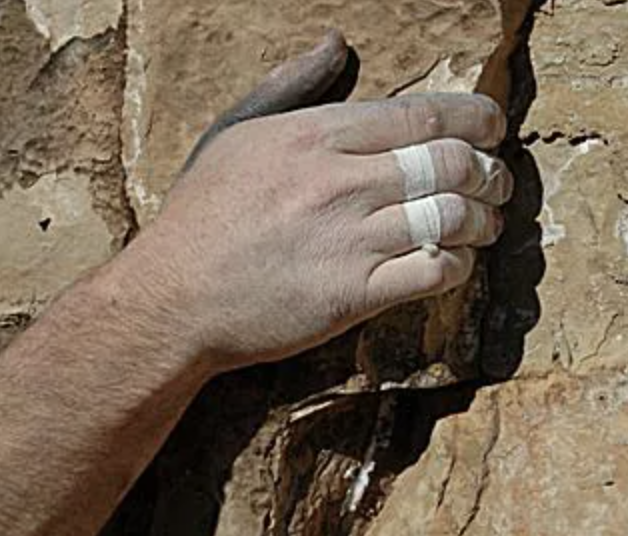
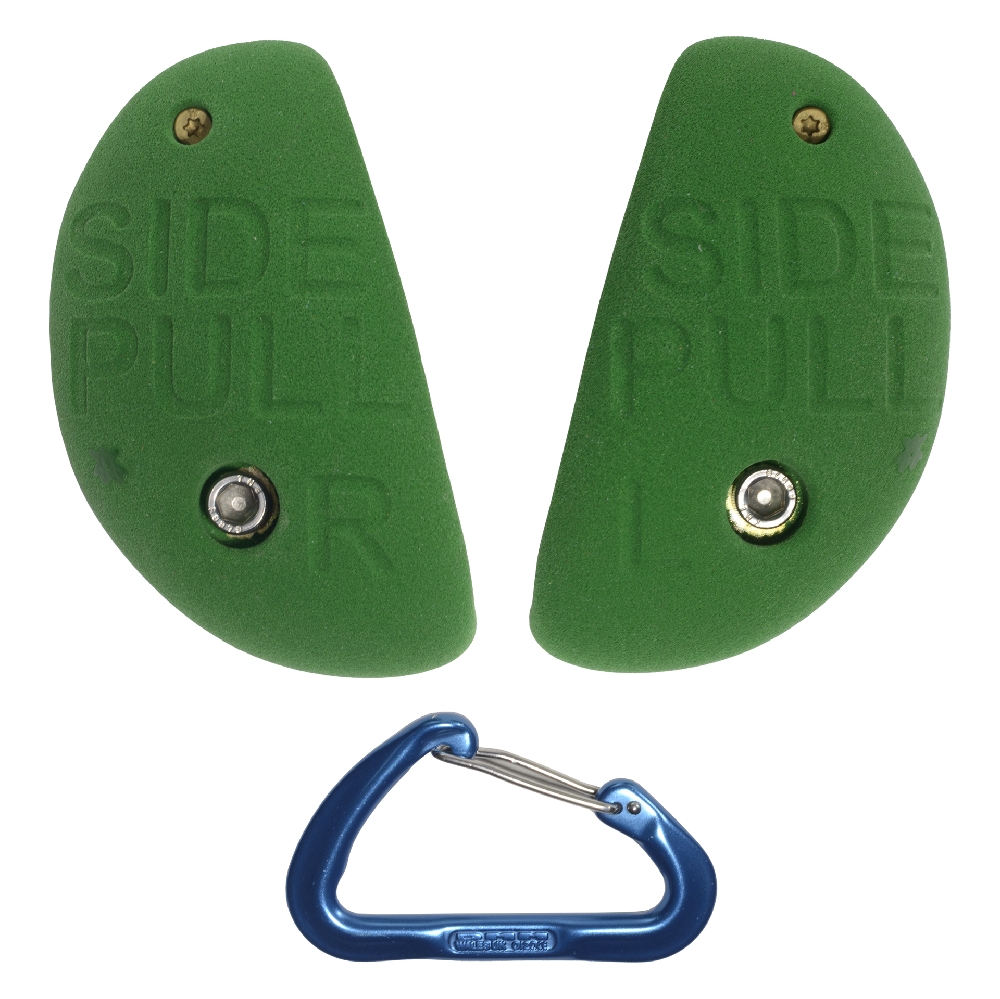
8. Sidepulls
Are climbing holds designed to be pulled sideways instead of straight down. Climbers create opposition by leaning their body away from the hold while maintaining tension through their feet and core.
Photograph © Stewart M. Green
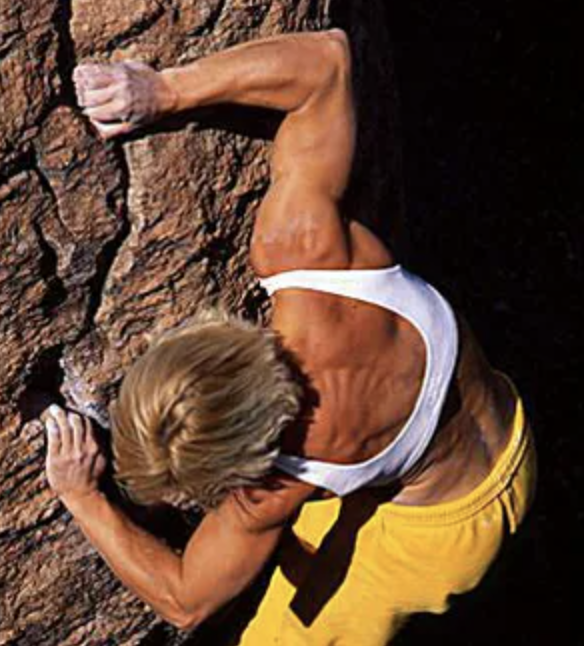
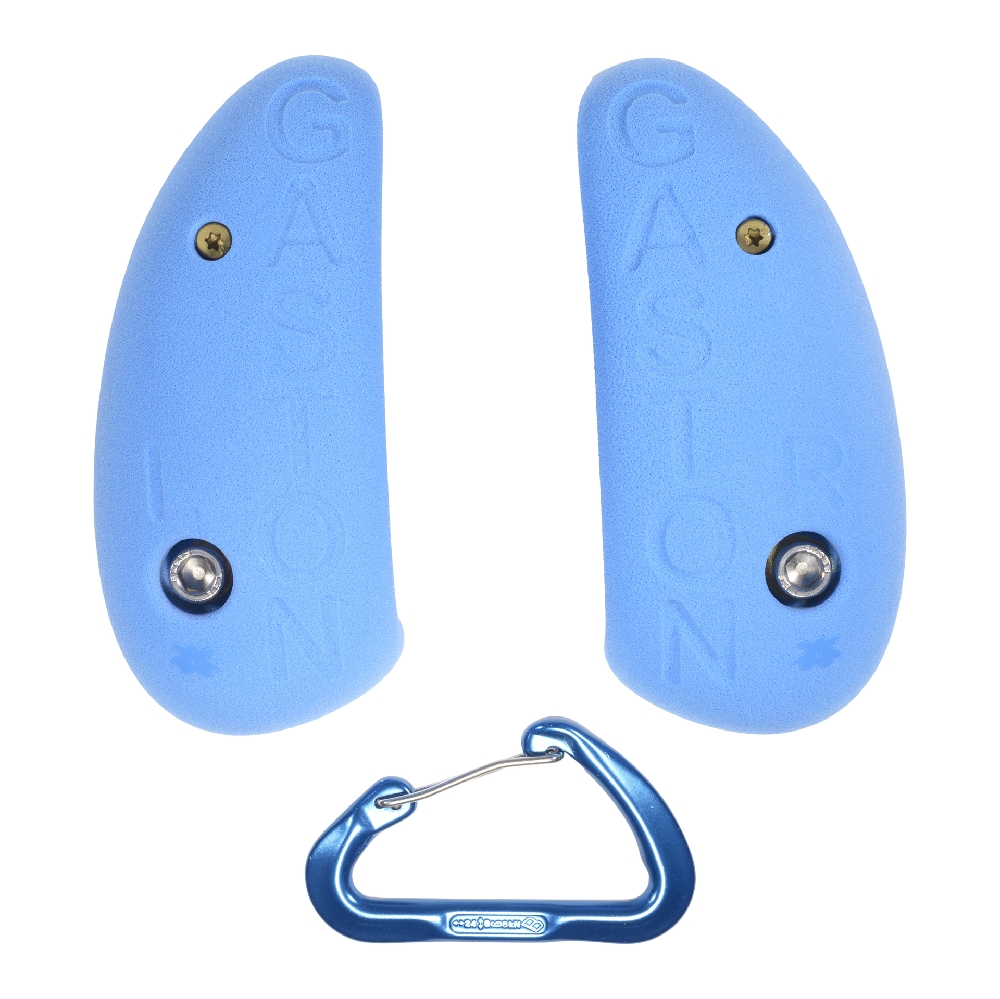
9. Gastons
Are types of sidepull where the climber pushes outward with the arm and elbow pointed away from the body, similar to opening elevator doors. Gastons rely heavily on body tension, shoulder strength, and precise positioning.
Photograph © Stewart M. Green
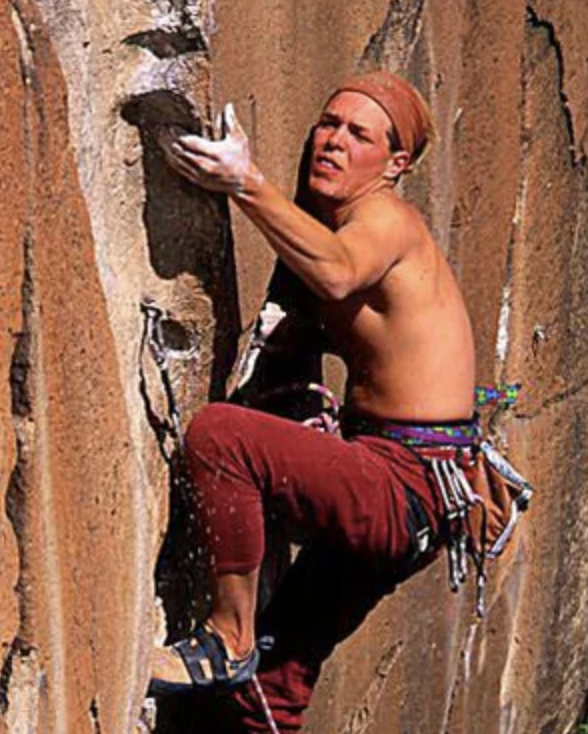
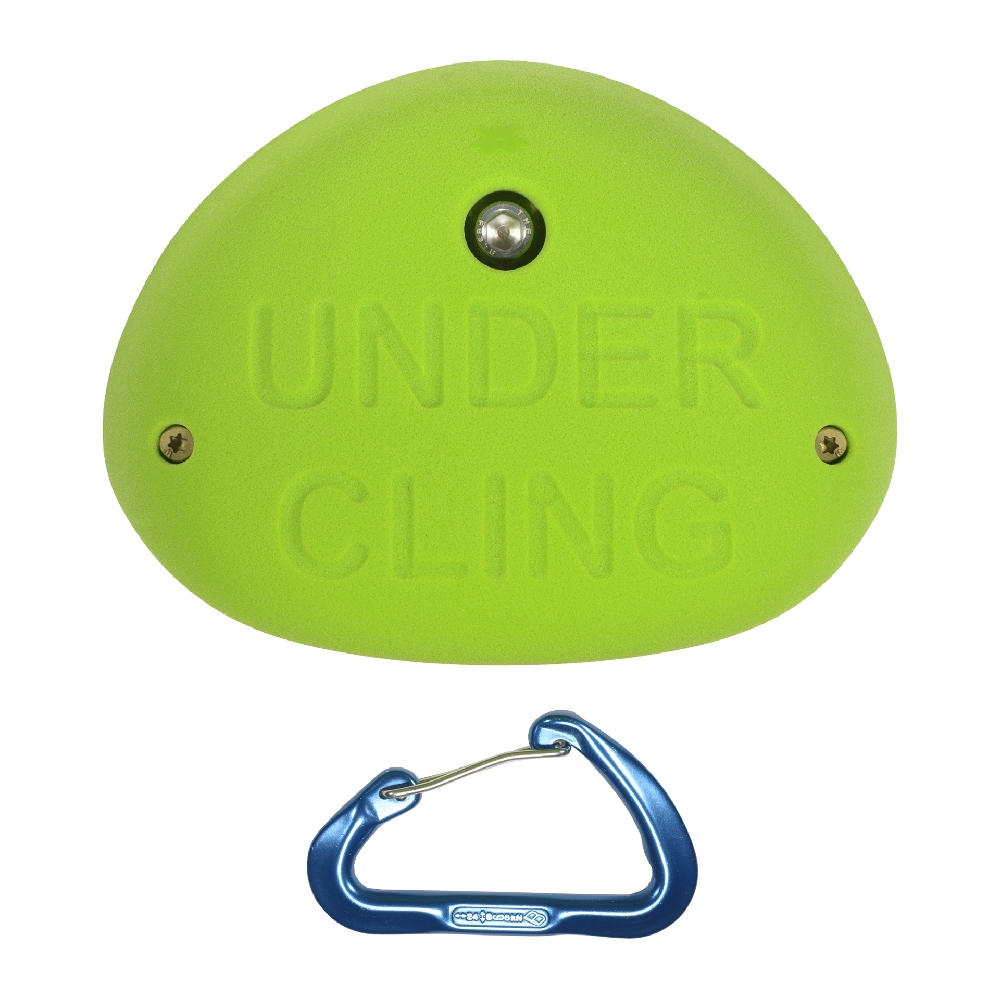
10. Underclings
Are climbing holds that are gripped from underneath and pulled upward. Climbers use underclings by keeping their body close to the wall and pushing with their feet to create upward tension and control.
Photograph © Stewart M. Green
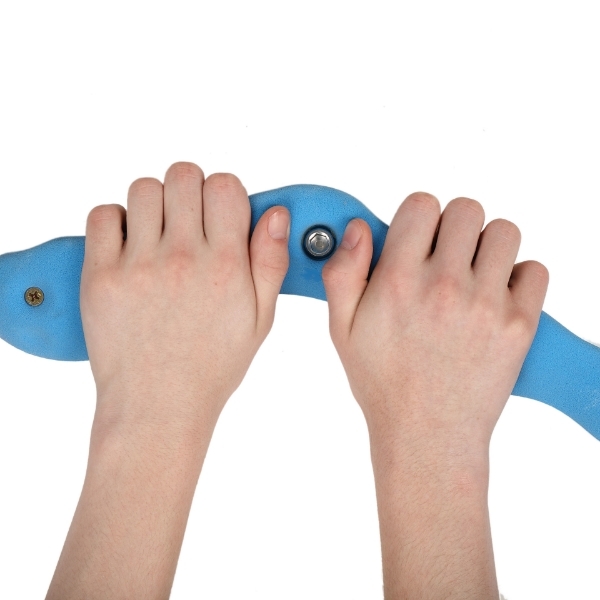
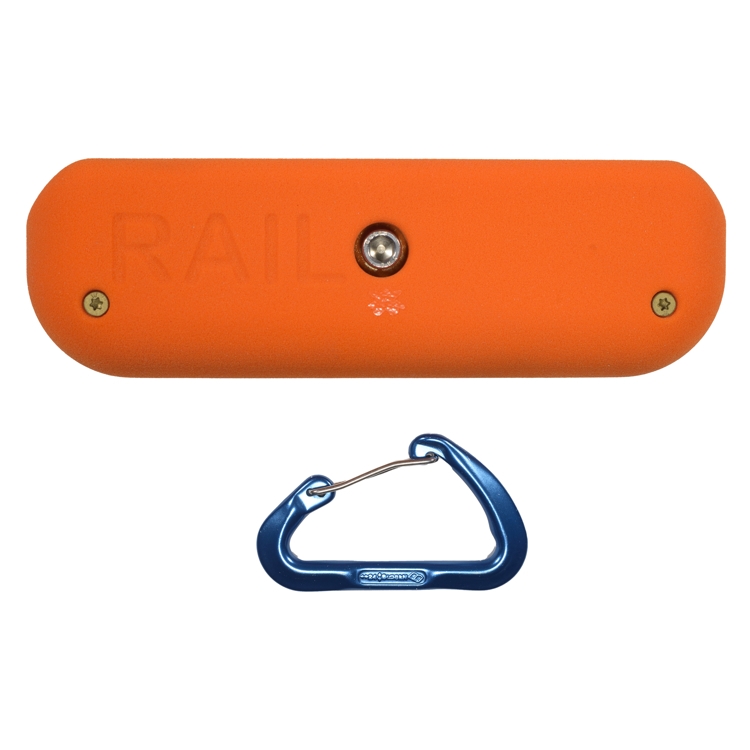
11. Rails
Are long climbing hold with an extended gripping surface. Essentially a wide edge that allows multiple hand positions. Climbers use rails for traversing, matching hands, and maintaining body tension during movement. Depending on the angle and depth of the hold, rails can feel positive like a jug or difficult like a sloping edge.

55 East 600 South, Provo, Utah 84606
Tel. 801-404-0280
[email protected]