
If you want to improve quickly, stop staring at your hands and start focusing on your feet. Strong, intentional foot placements are the difference between fighting your way up a route and flowing through it. When you understand how proper footwork transforms your climbing skills, climbing feels smoother, more controlled, and far less exhausting. Footwork isn’t flashy, but it changes everything.
Drive Movement From the Ground Up
Climbing uses your whole body, but your legs should be doing most of the heavy lifting. If your forearms are constantly pumped, you’re probably pulling too much and pushing too little.
When you press through your toes and stand up on each foothold, you shift the workload to your quads and glutes. That shift buys you time and control. Instead of locking off and hanging on, you’re standing tall and moving with purpose.
On slab terrain, foot drive is everything. You rely on friction and subtle weight shifts more than grip strength. On vertical walls, strong feet let you move between holds without over-gripping. On overhangs, pushing through your toes keeps your hips from sagging and your body from swinging out.
The climber who trusts their feet climbs efficiently. The climber who ignores them feels like they’re battling the wall the entire time.
Place Every Foot With Intention
Sloppy footwork creates unstable movements. A rushed placement or drifting toe forces your hips to swing and your hands to compensate.
Strong footwork starts before your foot even leaves the wall. Look at the foothold, choose the exact spot you want, and place your shoe deliberately. That split second of focus builds precision and sharpens proprioception—your body’s awareness of position and balance.
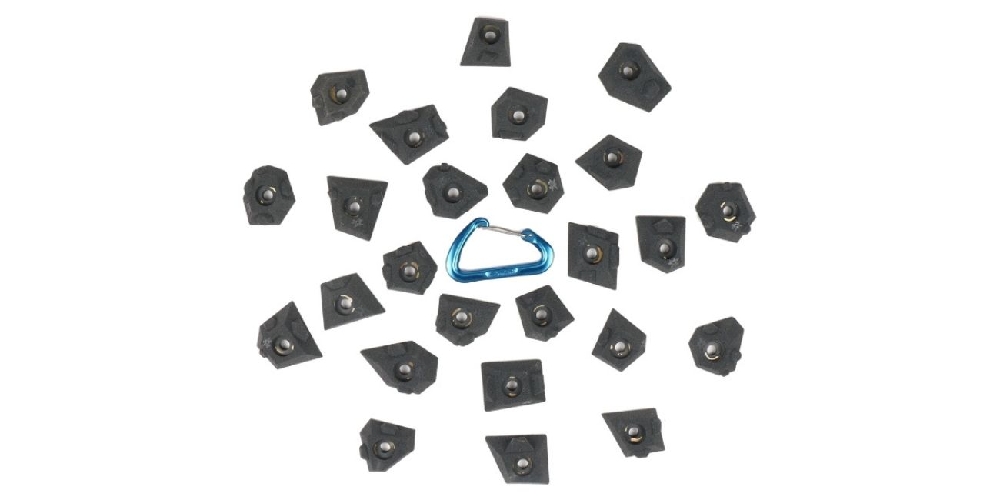
Training precision is easier when your wall includes a range of climbing wall footholds. Small screw-on chips, subtle edges, and varied angles force you to commit to placements instead of smearing by default. Larger footholds build confidence, while smaller ones demand control and accuracy.
Over time, your feet land quietly and confidently. When that happens, your upper body relaxes, your breathing steadies, and routes start to feel far more manageable.
Improve Balance Through Better Body Position
Foot placement and balance go hand in hand. Every step changes your center of gravity.
Keeping your hips closer to the wall increases friction and reduces strain on your arms. Dropping a heel on a positive edge can add instant stability and open up a reachy move. Turning your knee inward on a side pull shifts your weight exactly where it needs to be.
Experienced climbers use subtle hip shifts to make hard moves feel reasonable. Instead of pulling harder, they reposition their feet and let body alignment do the work. That’s efficiency you can feel immediately.
Balance improves fastest when your wall challenges you. Mixing slab sections with slightly overhung panels forces you to adapt, reposition, and stay composed.
Conserve Energy on Longer Sequences
Footwork directly affects endurance. The more weight you transfer into your legs, the longer your grip lasts.
On slightly overhung terrain, it’s tempting to pull hard and rush. Climbers who climb well on their feet move with rhythm instead. They stand up into holds, pause when needed, and reset their stance before committing to the next move.
If you’re building a home wall, plan your hold density with progression in mind. A starting point of 15–25 holds per 4x8-foot panel gives you enough options to set routes that encourage stance changes and deliberate foot transitions without overcrowding the wall.
Spacing matters just as much as quantity. Strategic foothold placement pushes climbers to execute high steps, drop-knees, and controlled weight shifts—exactly the movements that build sustainable endurance.
Build Core Tension Naturally
You don’t need endless floor exercises to build body tension. When you actively press through your toes and maintain a connection between your hands and feet, your core engages automatically.
Steeper walls make this even more obvious. Small footholds demand precise pressure and tight hips. When you drive through your feet, your body stays compact instead of swinging loose.
Training walls with consistent foothold spacing let you repeat sequences and refine technique. Clean sandstone-feel textures and durable polyurethane construction maintain friction, so you can focus on body control instead of worrying about slipping.
When foot pressure and core engagement work together, climbing feels composed and powerful rather than chaotic.
Design Routes That Teach Footwork
If you’re setting routes or building a home wall, footholds shape the personality of every climb. Small adjustments in angle, size, and spacing completely change how a sequence feels.
For beginner routes, place positive footholds directly under handholds to build confidence. As climbers improve, offset those footholds slightly to encourage hip movement and weight shifts. On more advanced problems, remove obvious feet and let subtle edges guide the sequence.
Thoughtful foothold variety encourages progression:
- Larger, positive footholds build beginner confidence.
- Smaller chips increase precision demands.
- Angled edges create natural drop-knee opportunities.
- Mixed spacing promotes high steps and balance shifts.
When footholds are intentional, climbers have to engage their lower body. They learn to trust friction, adjust their hips, and move with more control.
Planning a dense T-nut grid during your wall build gives you flexibility to reposition bolt-on and screw-on holds as skills improve. That adaptability keeps your setup fresh and progression-focused for years.
Practice Drills That Reinforce Precision
Improving footwork doesn’t require harder grades. It requires awareness and repetition.
Add these drills into regular sessions:
- Silent Feet: Place each foot without making a sound.
- No Readjustments: Commit to your first placement.
- Hands-light Climbing: Keep as much weight on your feet as possible.
- Foothold Focus Laps: Climb familiar routes while intentionally watching foot placements.
These drills sharpen awareness quickly. You’ll start noticing when you rush a step or default to upper-body strength. With consistency, strong foot placements become second nature.
That’s when proper footwork truly transforms your climbing skills—when smooth, deliberate feet replace hesitation and wasted movement.
Build a Wall That Supports Better Footwork
Many home walls focus on bold handholds and overlook foothold planning. If real progression is the goal, your footholds deserve just as much thought.
A balanced wall includes:
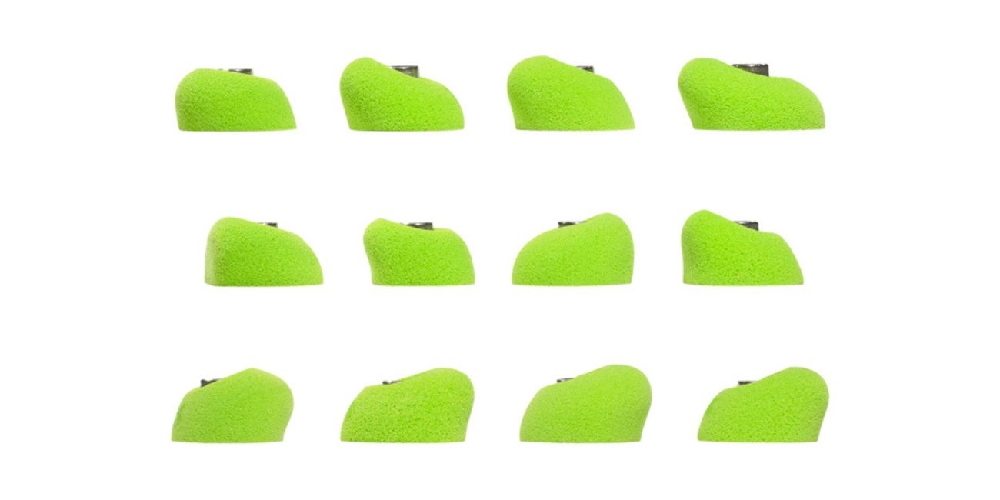
- Multiple foothold sizes
- Varied textures for friction control
- Both bolt-on and screw-on options
- Strategic spacing for movement drills
Think about how your wall will evolve. Kids’ walls may start with larger, more positive footholds. Training walls can incorporate smaller edges and angled pieces for technical practice. Commercial gyms benefit from mixing durable, high-traffic footholds with creative shapes that support route variety.
When your wall supports intentional foot training, sessions feel focused. You’re not just climbing; you’re building movement that lasts.
Stand Taller and Climb Smarter
When you commit to better feet, everything shifts. Proper footwork transforms your climbing skills by reducing unnecessary strain, improving balance, and smoothing out transitions between moves. Routes feel more controlled, and your endurance stretches further than you expect.
Ready to build a wall that supports smarter movement? Explore Atomik Climbing Holds’ wide selection of durable polyurethane footholds in 44 color options and three texture styles. With manufacturer-direct shipping in 1–5 business days and expert advice available, you can build your perfect wall and keep progressing every session.



Leave your comment