
Every climber hunts for that edge—literally and figuratively. Footwork sets the standard for progress, and two terms trip up even seasoned veterans: foothold and toehold. If you're aiming to boost your efficiency and take on trickier routes, understanding how and when to use footholds and toeholds is essential.
What Is a Foothold?
Think of a foothold as your loyal base. It’s any spot—big ledge, tiny edge, or thoughtfully shaped gym hold—where you can plant your foot for real support. A good foothold lets you relax, switch your weight, or size up your next move without worry.
The ball of your foot is the bread and butter of a strong foothold. That’s the spot of your foot you want to connect with the most surface area possible. Locking in a sturdy foothold isn’t just about standing; it's about channeling your leg power upwards, so your arms don't do all the heavy lifting.
What Is a Toehold?
When you’re climbing and suddenly the surface to place your foot is very small, a toehold changes the game. Here, you’ll only use the very tip or edge of your climbing shoe. If you’re balancing on a grain-sized nubbin, a minuscule divot, or a knife-edge chip, large holds won’t help you, but a well-placed toe can open up the next sequence.
Pulling off a secure toehold means dialing in on precision and your core strength. It’s all about control, not brute strength. Toeholds come into play when routes require trickier footing, tenuous moves, or that moment when you need just one more point of contact to stay on the wall.
What’s the Difference between them?
The difference between them boils down to intent and area of contact. A foothold usually involves your shoe’s sole on a bigger surface, providing serious balance and push-off power. Toeholds use just the shoe’s tip, focusing all your weight and precision in one tiny spot.
You’ll choose between the two holds based on the surface available to step on, the move you want to make, and the angle of the wall. When you need stability, you want a foothold. If you need pinpoint accuracy and creative body positioning, you want a toehold.
When Solid Footholds Are Best
Grab a solid foothold whenever there’s a ledge, rail, or thick hold available. These moments let your legs do what they’re best at: driving upward, shifting sideways, and keeping your arms from burning out too fast.
You’ll notice these secure footholds help in static moves—steady, controlled shifts to that next handhold or while clipping in the rope. When security matters, a firm foothold anchors you and frees up your mind for problem-solving.
When Toeholds Matter Most
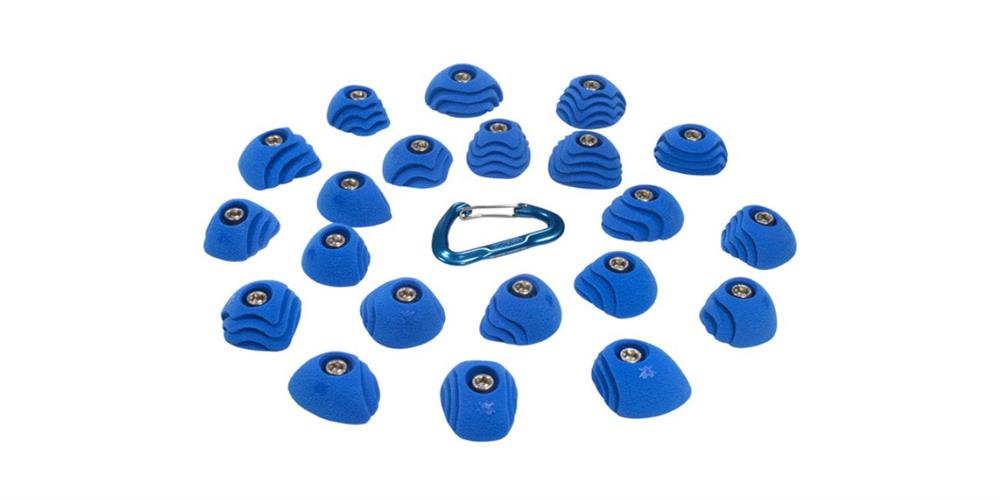
Tiny holds, shallow pockets, and that classic “run out of options” slab—this is the toehold’s territory. Sometimes, the route offers nothing bigger than a pebble for your next step. Dialing in your toehold keeps you moving upward and lets you find opportunities others might overlook.
Toeholds are also key for more dynamic moves. Need to initiate a toe hook? You’ll depend on that pinpoint placement from your toehold, swinging your body or pulling in as you contend with steeper, trickier sequences.
How To Maximize Foothold Contact
When a sturdy foothold appears, use the “power point” just behind your big toe—the strongest part of your shoe. Step directly onto the meat of the hold, heel down, engaging the entire sole. The more rubber you connect, the greater your grip and stability.
Kick complacency out of your technique. Lightly tapping your foot won’t cut it—press down, feel for any slips, and trust your leg to do the job. This way, you’ll stand tall over every decent hold, no matter how sketchy the wall feels.
How To Nail Toeholds
Spot your mark, aim with the tip of your shoe, and land it in a slow, deliberate motion. Your movements should echo a dancer’s precision, not rushed and sloppy. Once you’re on, flex your core and calves to stay there. Every adjustment counts with toeholds.
When you master toehold accuracy, the wall opens up. You’ll use impossible-seeming edges, find creative solutions, and flow through moves where there’s “no foothold” at all.
What Difference Can Shoes Make?
Shoe choice isn’t only about comfort. Softer shoes mold to the smallest holds, ideal for delicate toeholds or smearing. They help you feel every nuance of the wall, letting your toes grip micro-features.
Stiffer shoes back you up on tiny edges, taking some pressure off your calves during long climbs. If you tackle different styles, look for a moderate shoe with a bit of downturn that offers plenty of stability without sacrificing sensitivity.
What Practical Footwork Drills Are Helpful?
Want to master both techniques? These regular drills will get you there.
- Silent Feet: Try climbing a favorite route, placing each foot so quietly you don’t hear a scrape or thump. You’ll build control and precision, fast.
- Sticky Feet: Once you step on a hold, commit. No sliding or readjusting. This makes every foot placement count.
- One-Touch: Only allow one touch per hold—first your hand, then your foot. It forces careful aim and thoughtful sequencing.
- No-Hands Traversing: On a gentle wall, see how far you can move without using your hands. This hones trust in your feet and core.
How Body Position Changes the Game
Your hips and shoulders can make or break your footwork. With a large foothold, you’ll usually want your hips square and body aligned. This lets you stand with ease, keeping your weight balanced and centered.
When going for a toehold, you’ll often twist side-on, shifting your hips into the wall for better reach or leverage. Moves like drop-knees or back-flagging anchor your toes right where you want them. Footwork improves as your body gets more dynamic.
How To Level Up With Advanced Foot Techniques
Push the basics until they’re second nature—then add variety. A heel hook is a type of foothold. Drive your heel around a ledge or volume, using your hamstrings to pull you closer. Toe hooks are the toehold’s funky cousin, useful for overhangs and roofs where you need to pull instead of push.
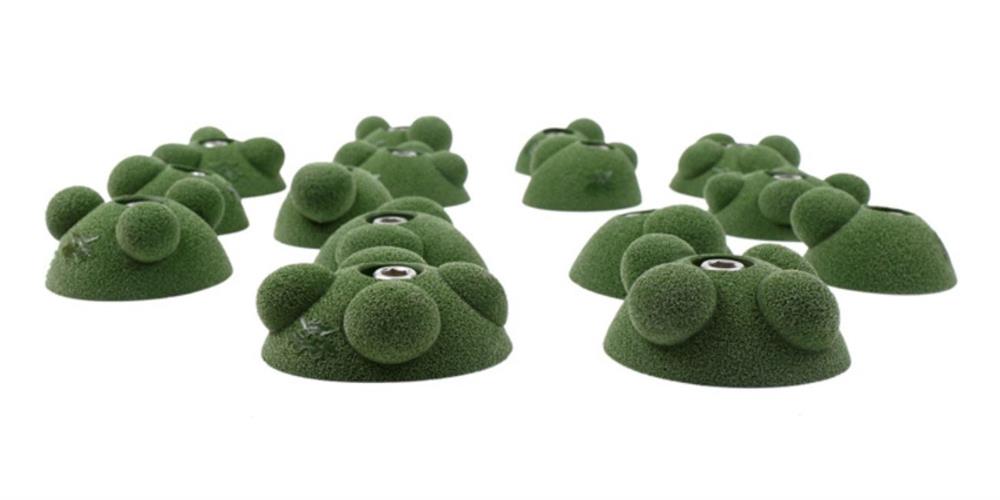
No two climbing routes deliver the same holds in the same order. That unpredictability means working on both foothold and toehold mastery pays off. Especially in modern gyms, where the variety of climbing footholds, from huge jugs to slick, miniature jibs, lets you play and experiment until these moves feel personal, not just theoretical.
When you figure out the timing and application of both techniques, everything about your climbing improves. The puzzle pieces fit together, you conserve energy, and suddenly, you spot sequences that make impossible problems fall to your skill. Conquer the mystery of how and when to use footholds and toeholds, and your feet will drive every adventure higher.



Leave your comment